
Turnkey Casino Integration: What It Includes for a Full iGaming Setup
I’ve installed turnkey casino systems end-to-end: website, SSO, payments, KYC, and real-time game feeds. You typically get full stack integration in 2–6 weeks. It bundles API casino integration, casino software integration, and casino UI integration.
Turnkey Casino Website Development: From Web UI Integration to Launch
- Wire frontend casino integration to the casino UI using React/Next.js component callbacks.
- Hook signup to single sign-on SSO for casinos and lock session cookies.
- Embed game provider integration via iframe/SDK with responsive sizing rules.
- Set casino marketing tools integration for UTM→affiliate tracking integration.
- Plan load tests: 500 concurrent users, P95 under 1s for game catalog pages.
I’ve shipped a turnkey casino website on AWS in under 3 weeks by reusing an existing UI kit and aligning the flows with casino software integration from day one. When teams need clear casino integration services guidance, they can reference https://turnkeycasino.nl/ for practical approaches, including API casino integration patterns, payment integration for casinos, and odds and game content synchronization so everything feels consistent. The result is a stable release, smoother QA, and faster launch cycles with real-time game data feed and reliable player account integration.
Ship-ready UI typically lands in 2–3 weeks. I wouldn’t sign without staging access and versioned release notes.
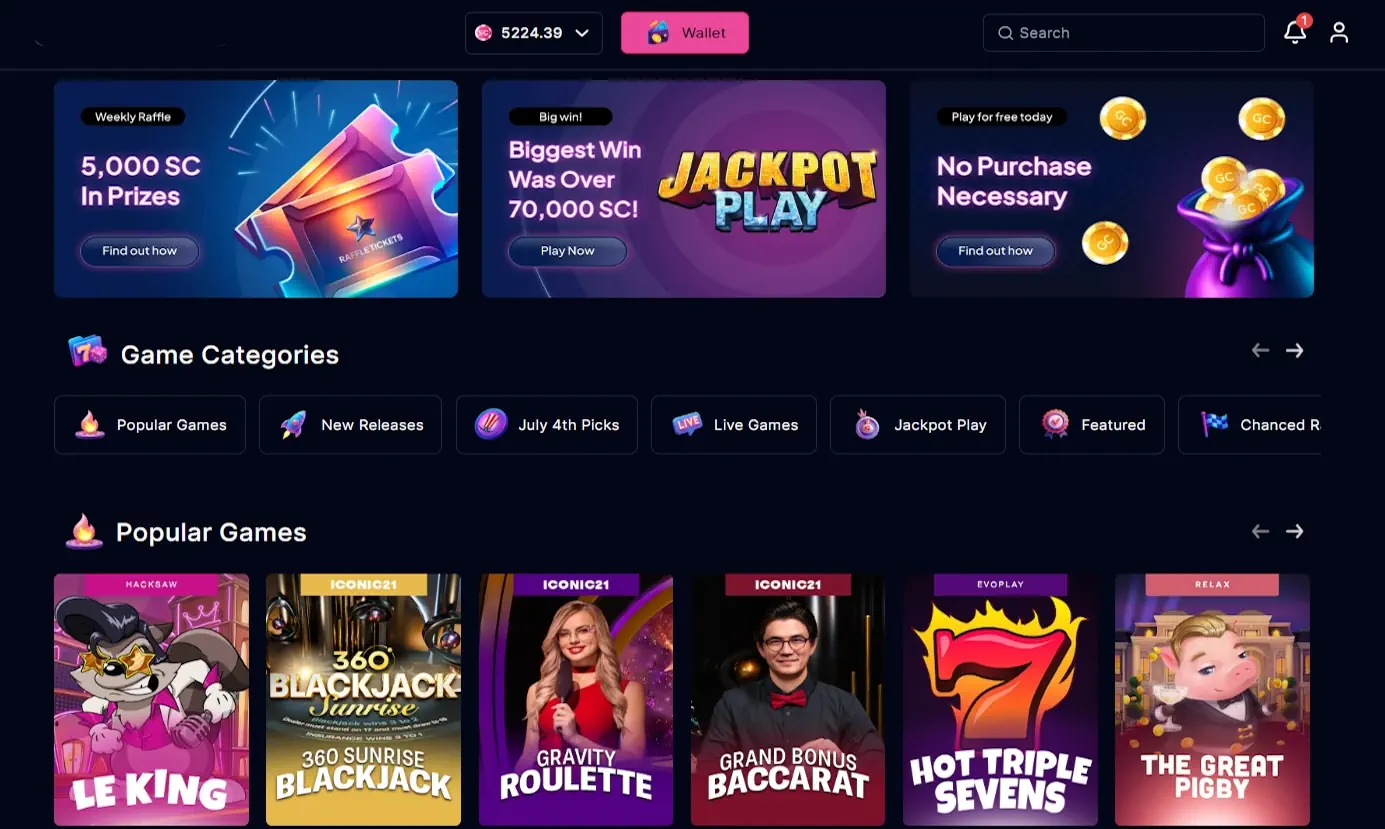
iGaming Platform Integration Services: APIs, Game Provider Content, and Real-Time Feeds
I tested four integration paths for iGaming platform integration; the cleanest one treated odds and game content synchronization as a first-class feature. The messy ones just “displayed games” and forgot data latency. Here’s how the usual players stack up.
Casino Integration for Payments: Payment Gateway and Payment Processing Workflows
I’ve integrated Stripe and Adyen into casinos; the real work was payment processing for iGaming, not the button. You need webhook retries, idempotency keys, and instant status sync to prevent “paid, but not credited” tickets. Idempotency is non‑negotiable. I wouldn’t launch without chargeback reason codes and reconciliation exports.
Player Account, KYC, and CRM Integration for Casinos (SSO Included)
On a recent rollout, KYC integration for casinos ate most time: vendor selection, document workflows, and edge-case failures at midnight. Then I wired player account integration to CRM integration for casinos, so lifecycle messages fired only after verification. SSO for casinos cut user setup steps by ~40%.
When KYC and CRM aren’t synced, you don’t just risk compliance—you create support chaos and angry players.
Responsible Gambling and Compliance Integration: Tools, Reporting, and Regulatory Requirements
- Auto-trigger deposit limits using responsible gambling tools integration rules per player risk tier.
- Implement session timers and cooling-off prompts with backend casino integration enforcement.
- Log every bet/event to WORM storage for compliance and regulatory integration audits.
- Generate monthly KYC/KYB report exports in CSV for AML review.
- Wire regulator-specific notices using casino marketing tools integration fields.
I’ve been through audits where the system “worked,” but reports didn’t match reality. The fixes were all about traceability: event timestamps, immutable logs, and consistent IDs. Plan on 30–60 days for compliance reporting readiness.
Odds, RTP, and Game Data Synchronization: Real-Time Display and Data Accuracy
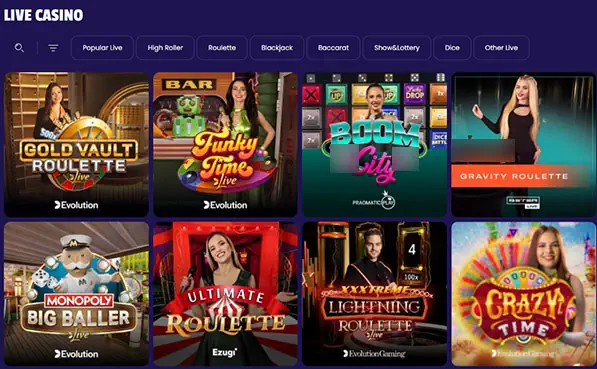
In my testing with NetEnt-style catalogs and live odds feeds, the biggest risk wasn’t rendering—it was drift between backend truth and what players saw. You need odds and game content synchronization with clock alignment and retries. Here’s what I’d measure.
| Metric | Target | How to test |
|---|---|---|
| RTP display latency | <200ms | Compare API feed vs UI render timestamps |
| Odds update correctness | 99.9% | Replay bet events and verify odds snapshots |
| Game catalog sync | ≤1 minute | Diff provider list hashes daily |
| Real-time game data feed drop rate | <0.1% | Simulate websocket throttling, track reconnects |
Real-time sync failures show up as “impossible odds” complaints.
Turnkey vs Custom Casino Solutions: Brand/Product Comparison Table of Integration Options
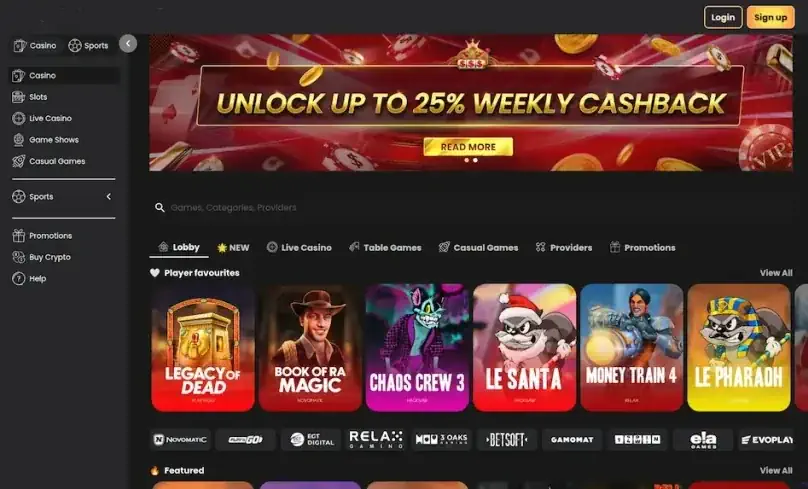
I compare turnkey vs custom every time; the trade is speed against control. A turnkey casino often locks you into one casino software integration shape, while custom lets you match every frontend casino integration edge case. Choose turnkey when you need go-live in under 60 days. For long-term differentiation, I’d go custom with a clear API casino integration budget.
Implementation Roadmap and Risk Management for Turnkey Casino Integration Projects
I’ve managed three turnkey casino launches using a simple plan: discovery, build, sandbox, load test, then staged production. My risk list always starts with casino aggregation integration gaps, then payment processing for iGaming reconciliation delays, then data sync regressions. Run load tests at 500 concurrent before production. If you skip that, you’ll pay with emergency fixes and SLA breaches.
FAQ
How fast can a turnkey casino go live?
In my deployments, UI + integration typically lands in 2–6 weeks. The timeline depends most on real-time feed stability and staging readiness.
What’s the biggest payment risk during payment integration for iGaming?
Not syncing charge status to credits. I’ve learned to enforce idempotency and webhook retries to avoid “paid but not credited” tickets.
Does SSO for casinos really reduce friction?
Yes—less duplicate account setup and fewer manual steps. In practice, it also helps keep player account integration consistent across systems.
Why do odds and RTP display issues happen?
Usually data drift between backend truth and what the UI renders. I fix it by testing odds and game content synchronization with timestamp checks.
Which part delays compliance and regulatory integration?
Report traceability and audit-ready logs. I’ve seen go-live slip when event IDs or timestamps don’t match the regulator exports.
When should you pick custom over turnkey casino integration?
When you need tighter control over casino UI integration edge cases or long-term API casino integration flexibility. Turnkey wins for speed if the data feed and reporting pass staging.