
Top Online Slot Games with Explosive Jackpots You Must Play Now
Most slot games are controlled by a random number generator that spins through thousands of combinations every second, making each pull truly unpredictable. You simply place your bet and spin the reels, hoping to line up matching symbols across active paylines for a payout. The real thrill comes from special features like free spins, wilds, and multipliers that can boost your winnings mid-game. This simple, no-skill needed format makes slot games a pure, instant rush of chance for anyone to enjoy.
How Slot Machines Actually Work: The Core Mechanics
Slot machines operate using a Random Number Generator (RNG) that continuously produces thousands of number sequences per second, even when idle. When you press spin, the RNG locks onto a specific number at that millisecond, which maps directly to a combination of symbols on the reels via a virtual reel mapping algorithm. This ensures each spin’s outcome is statistically independent. The payback percentage is hard-coded into the machine’s math, not influenced by previous results. Each spin is an isolated event determined solely by that instant’s RNG output, making patterns or hot/cold streaks a cognitive illusion. A common user question: Q: Why does a machine sometimes pay out big after a long dry spell? A: That’s merely the RNG landing on a rare combination by chance, not because the machine is “due.”
Random Number Generators and Fair Play Explained
At the core of every modern slot game lies the Random Number Generator (RNG), a continuously running algorithm that produces thousands of number sequences per second, even when the machine is idle. When you press spin, the game captures the exact millisecond’s result and maps it to a specific combination of symbols. This mechanism ensures each outcome is statistically independent of the previous one. Fair play is upheld by strict testing: regulatory labs audit the RNG’s output for true randomness and verify the programmed payback percentage matches the advertised figure, preventing any manipulation by the casino or developer.
RNGs guarantee each spin is isolated and unpredictable, with fair play proven by independent audits of randomness and payout ratios.
Understanding Paylines, Reels, and Symbol Combinations
The spinning reels are the heart of the game, each one a vertical strip populated by symbols that halt after a spin. Your objective is to land these symbols on active paylines, which are predetermined lines that run across the reels—often zigzagging horizontally, vertically, or diagonally. A winning combination is formed when matching symbols align on a payline, starting from the leftmost reel. Different symbols carry different payout values, and the more matching icons you land, the higher your win. Understanding these core mechanics allows you to choose games with flexible payline structures and recognize how adjacent symbol clusters, rather than single lines, can trigger rewards.
What Determines Volatility and Why It Matters to Your Bankroll
Volatility is determined by the frequency and size of a slot’s payouts, dictated by the game’s internal math model, including hit frequency and prize distribution. A high-volatility game clusters large wins with long dry spells, while low volatility offers frequent, smaller returns. This matters to your bankroll management strategy because your session duration and stake size must align with the slot’s payout pattern. Choosing a high-volatility game with a small bankroll risks rapid depletion; low volatility better suits sustained play. Your bet level directly modulates the impact of that variance on your available funds, making volatility the primary factor in whether your bankroll survives the intended session.
Key Features That Make or Break Your Experience
The key features that make or break your slot experience hinge on volatility, RTP, and bonus mechanics. Low volatility delivers frequent small wins but drains your bankroll slowly, while high volatility offers rare, massive payouts that can deplete funds quickly if you lack patience. A Return to Player above 96% is critical for long-term value; anything lower systematically erodes your playtime. Bonus rounds—free spins, multipliers, or pick mechanics—are where real profit lives, but only if they trigger reasonably often. Avoid slots with convoluted, rarely-hit features or those that lock base-game wins behind escalating bet requirements.
Always test a slot’s free demo to observe its hit frequency and bonus trigger rate before risking real money.
Choose games that align with your bankroll’s risk tolerance, not just flashy themes.
Bonus Rounds, Free Spins, and Multiplier Effects
Bonus rounds, free spins, and multiplier effects form the core of a slot’s engagement. Free spins with stacked wilds can trigger retriggers, extending play without additional cost. Bonus rounds often introduce pick-and-win or wheel mechanics, while multipliers amplify wins within both features, sometimes applying progressive values. However, the trigger frequency for these bonuses varies significantly between low and high volatility games. A slot’s entertainment value often hinges on how these elements interact, with cascading multipliers in free spins creating exponential payout potential.

Q: Do bonus rounds and free spins use the same multiplier effects?
A: Not always. Some games apply a flat multiplier to free spin wins, while bonus rounds may feature random or increasing multipliers for each selection.
Scatter and Wild Symbols: How They Boost Winning Potential
Scatter symbols amplify winning potential by triggering bonus rounds or free spins, often boosting payouts with multipliers regardless of their position on the reels. Wild symbols act as substitutes for other icons to complete winning combinations, dramatically increasing hit frequency. Their synergy is most potent when stacked Wilds and Scatters align, as Scatters can activate modifiers that expand Wilds or add extra Wilds to the grid. A typical sequence for boosting wins follows:
- Scatter lands anywhere to award free spins or a bonus feature.
- During the bonus, Wilds appear more frequently or with sticky, expanding, or multiplier properties.
- Wilds substitute high-value symbols, creating multiple paylines from a single spin, while Scatter-triggered multipliers apply to total wins.
Progressive Jackpots vs. Fixed Jackpots: Which Suits Your Goals
Choosing between progressive and fixed jackpots hinges on your personal goals. Fixed jackpots offer predictable, frequent payouts for consistent, lower-risk play, suiting those who value regular wins. In contrast, a progressive jackpot for high-risk players promises life-changing sums but demands patience and bankroll resilience, as odds are slimmer and prizes often require maximum bets. Your strategy should match your appetite for volatility versus steady returns.
- Fixed jackpots deliver smaller, predictable prizes more often.
- Progressives pool bets across networks, creating massive but rare payouts.
- Fixed suits budget-conscious play; progressive fits thrill-seekers chasing a big moment.
Practical Tips for Choosing the Right Game
The way you pick a slot often shapes your entire session. I learned this after chasing a flashy progressive jackpot across three machines, only to watch my balance vanish in ten minutes. Now, I always check the volatility first—low-volatility slots offer frequent small wins that stretch your play, while high-volatility games can drain your bankroll fast if you’re not prepared. Look at the paytable before you spin; a game with 25 paylines might feel exciting, but a five-line slot with multipliers can deliver stronger, steadier returns. Ask yourself: Does this slot’s bonus round trigger often enough to make the theme worth it? That question saves me from betting on a beautiful game that never pays out. Match your session length and budget to the game’s rhythm, and you’ll leave with more than regret.
Matching Volatility and RTP to Your Playing Style
Matching volatility and RTP to your playing style begins by assessing your bankroll and session goals. A player with a small budget and a desire for extended play should pair low volatility with a high RTP above 97%, ensuring frequent small wins that preserve the balance. Conversely, high volatility slots with lower RTP demand a larger bankroll and patience, as wins are rare but sizable. This alignment is crucial for optimizing your risk-reward balance, preventing frustration from mismatched expectations. If you prefer chasing large jackpots, Parimatch login accept the inevitable dry spells; if you prioritize steady gameplay, avoid games with extreme fluctuations regardless of advertised RTP.
Reading Paytables: What to Look For Before You Spin
Before you spin, dive into the paytable to decode a slot’s true potential. Scrutinizing paytable symbols reveals which icons deliver the biggest wins and how bonus triggers like scatters or wilds behave. Check the bet multiplier for each combination—a high-paying symbol cluster might require specific reel positions. Paytables also unmask hidden volatility through payout frequency for lower vs. premium symbols. Look for special rules, like locked jackpot tiers or feature-eligibility conditions, as these directly shape your strategy. A quick review prevents unwelcome surprises and aligns your bankroll with the game’s reward structure.
Demo Mode vs. Real Money Play: Pros and Cons
Demo mode offers risk-free exploration, allowing you to test volatility, bonus frequency, and mechanics without financial exposure. However, it lacks the psychological pressure of real stakes, which can alter decision-making. Real money play provides authentic engagement and potential winnings, but demands disciplined bankroll management to avoid chasing losses. A key advantage of demo play is learning paytable intricacies, while real play reveals true payout behavior over time. Blindly jumping to real play without demo testing often leads to unnecessary losses.
Demo mode eliminates financial risk but removes authentic pressure; real money play offers genuine rewards and consequences, making sequential demo-first strategy essential for informed slot selection.
Common Mistakes Players Make and How to Avoid Them
One of the most frequent errors in slot games is chasing losses, where players increase bets to recover money, leading to faster depletion of their bankroll. To avoid this, set a strict session loss limit and stop playing once it is reached. Another common mistake is ignoring the paytable, causing players to misunderstand bonus triggers or special features. Study the game rules before spinning. Additionally, many players overestimate the value of progressive jackpots, betting maximum coins without considering the odds. Instead, prioritize games with balanced volatility that match your budget. Finally, rushing through spins without pausing can lead to missed opportunities for strategy adjustments. Always play deliberately, and never treat slots as a guaranteed income source.
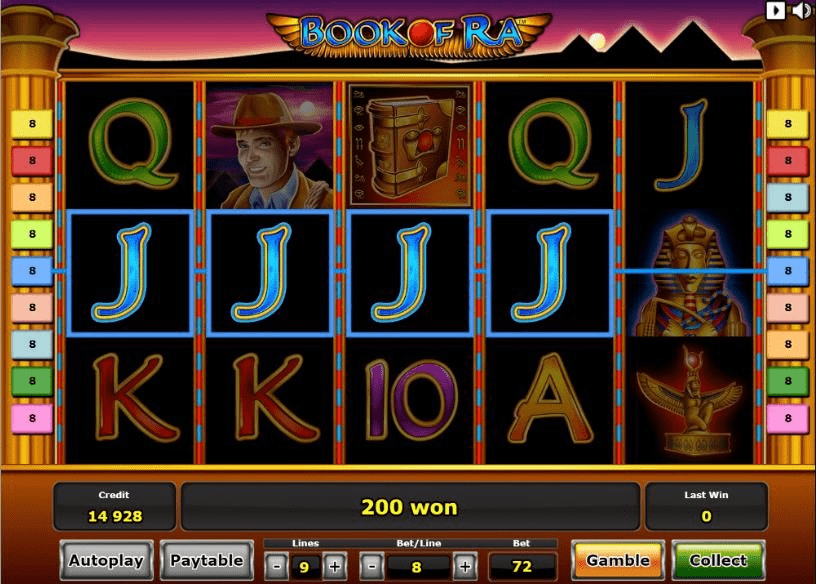
Chasing Losses and Ignoring Bankroll Limits
One of the fastest ways to drain your funds in slot games is chasing losses by ignoring bankroll limits. When you lose a few spins, the urge to increase your bet to recover quickly is dangerous, as slots operate on random outcomes that do not respect past results. Setting a hard cap on both session time and total money before you start prevents this spiral. Leave your cards and digital wallets aside once you hit that number. Discipline here separates controlled entertainment from financial regret.
Losses are fixed by walking away, not by chasing them with money you never planned to spend.
Overlooking Bet Size Adjustments for Longer Sessions
Many players fail to scale their wager over a long session, which rapidly drains their bankroll. Strategic bet size reductions are crucial for endurance. To avoid this mistake, follow a simple sequence:
- Calculate your total session budget in advance.
- Divide it into smaller, fixed bets for each spin.
- Lower your per-spin amount after any significant win to preserve profits.
- Never increase your bet to chase losses—maintain a consistent, lower rate.
This approach keeps you spinning longer without prematurely exhausting your funds.
Misinterpreting “Due” Payouts and Hot/Cold Streaks
Many players fall into the trap of thinking a machine is “due” for a win because it hasn’t paid out in a while. That’s actually a misinterpretation of spin independence. Every spin is random, so a cold streak doesn’t make a hot payout more likely. To avoid this mistake, remember this sequence:
- Reset your expectations each spin — past results have zero influence.
- Set a budget per session, not per perceived streak.
- Walk away if you’re chasing a “due” win, since that feeling is just a gambling myth.
Treating hot and cold streaks as signals only leads to overplaying. Stick to the facts: each spin is its own event.
Frequently Asked Questions About Slot Games
Players often ask how slot game outcomes are determined, and the answer is always the Random Number Generator (RNG), which ensures each spin is independent and unpredictable. A key concern is whether jackpots are truly winnable—
progressive slots require maximum bets to qualify for the top prize, so always read the paytable rules.
Another frequent question involves “loose” machines; no physical slots have higher payouts than others, as RTP percentages are fixed by software. Finally, many wonder about bonus features—free spins and multipliers are triggered randomly, not by “close calls” from previous spins. Understanding these mechanics helps you choose games that match your budget and style, rather than relying on myths.
Can You Predict When a Slot Will Pay Out?
No, you cannot predict when a slot will pay out because every spin is an independent event governed by a Random Number Generator. Slot payout prediction is mathematically impossible due to this built-in randomness. Watching previous results, tracking patterns, or timing your spins offers zero advantage—each outcome has the same probability as the last. The RNG cycles through millions of number combinations per second, pausing only when you hit spin, making future results completely arbitrary. The only practical user-relevant truth is that no strategy can foresee a winning spin; it is purely chance.
Do Higher Bets Always Mean Better Odds?
A higher bet does not inherently improve the slot game’s odds, as the Return to Player percentage remains fixed regardless of wager size. Bet size only affects potential payout magnitude, not the probability of winning. Some progressive jackpots require maximum bets to qualify, creating a conditional advantage for that specific prize. However, for standard paylines, increasing your bet merely scales the same mathematical risk per spin, meaning larger losses can occur without any improvement to your long-term winning chances.
What Is the Best Strategy for Playing Slots?
The best strategy for playing slots is not about influencing outcomes, as results are determined by Random Number Generators, but about optimizing your session. This involves bankroll management and game selection to maximize playtime. Prioritize slots with higher Return to Player percentages and lower volatility to sustain your balance. Set strict win and loss limits before you spin; walk away once you hit either. Never chase losses or increase bets to recover money, as this undermines your predefined plan.
- Choose games with an RTP above 96% for better theoretical returns.
- Select low-volatility slots for frequent, smaller wins that extend play.
- Set a loss limit (e.g., 50% of your bankroll) and a win goal (e.g., 2x your buy-in) to lock in profits or cap losses.
- Play maximum coins on progressive jackpots if your budget allows, as this is often required for the top prize.