
The Allure of Gambling: What Draws People In
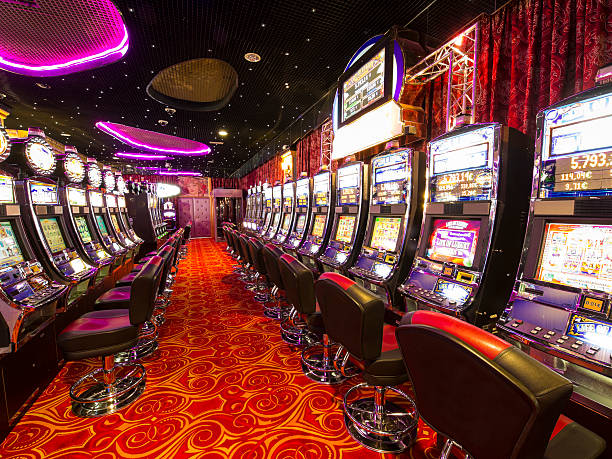
Casino gambling has an undeniable appeal that captivates millions worldwide. This allure is often attributed to the promise of excitement and the thrill of uncertainty surrounding each game. The ambiance of a casino, with its flashing lights and the sound of coins clinking, creates an exhilarating environment that stimulates the senses. For many gamblers, discovering online casino real money nz can enhance this combination of excitement and sensory overload, leading them to partake in the games repeatedly, almost as if they are chasing a high.
Furthermore, the prospect of winning significant sums of money in a short amount of time is a powerful motivator. Unlike other forms of entertainment, where the outcome is predictable and controlled, gambling provides an element of chance that can lead to instant fortune. This unpredictability feeds into the human desire for risk and reward, making the experience both thrilling and potentially lucrative. The fantasy of life-altering wins often keeps players engaged, reinforcing their desire to gamble.
Addiction to gambling can also stem from psychological factors such as escapism and social interaction. Many individuals turn to casinos to escape the stresses of everyday life, seeking solace in the distraction provided by games of chance. Additionally, the social environment fosters connections among players, offering opportunities for camaraderie. The combination of these elements creates a compelling psychological framework that encourages continued participation in gambling activities, sometimes even leading to problematic behaviors.
The Role of Luck and Superstition in Gambling
Luck plays a central role in the psychology of gambling, as individuals often believe in the randomness of outcomes. However, this belief in luck can lead to irrational thinking, where gamblers may develop superstitions surrounding their gameplay. Examples may include carrying lucky charms or adhering to specific rituals before placing bets. This mindset can reinforce the gambler’s connection to the game and help them cope with uncertainty, albeit in a potentially misguided way.
This reliance on luck also ties into the concept of cognitive biases. Gamblers might experience the “gambler’s fallacy,” where they mistakenly believe that past outcomes will influence future results. For instance, if a player observes a series of losses, they may feel that a win is imminent, leading them to increase their bets in anticipation. This type of thinking can be detrimental, as it often results in continued losses and financial strain, perpetuating the cycle of gambling addiction.
Interestingly, the belief in luck can also create a sense of control for players. Engaging in gambling rituals or relying on perceived lucky signs can give individuals a psychological edge, making them feel more empowered in their decision-making. While this doesn’t alter the inherent randomness of game outcomes, it provides a comforting narrative that can keep players returning to the casino, reinforcing their commitment to betting despite the odds.
The Impact of Environment on Gambling Behavior
The environment of a casino significantly influences gambling behavior and decision-making. Factors such as layout, lighting, and sound are meticulously designed to enhance the gambling experience and promote sustained play. For instance, casinos often lack clocks and windows to create a disorienting effect, making it difficult for players to gauge time or realize how long they have been gambling. This manipulation of the environment encourages longer play sessions and can lead to increased betting.
Furthermore, the social atmosphere of casinos plays a pivotal role in shaping behavior. Gamblers are often surrounded by others who are equally engaged in the excitement of the games, creating an infectious energy that can lead to impulsive decisions. The encouragement of fellow players or the thrill of shared wins can heighten emotions, making individuals more likely to place additional bets or increase their stakes. This communal aspect of gambling can amplify the desire to take risks.
Lastly, the use of rewards systems, such as loyalty programs and complimentary services, further entices gamblers to remain engaged. These programs leverage the psychological principle of reinforcement, rewarding players for their continued participation. By offering perks based on gaming frequency, casinos capitalize on the desire for recognition and gratification, effectively encouraging gamblers to spend more time and money within their establishments. This cyclical reinforcement can deepen the psychological attachment to gambling activities.
The Consequences of Gambling Psychology
Understanding the psychology behind gambling also sheds light on its potential consequences. While many individuals engage in gaming for entertainment, for some, it can lead to severe financial and emotional distress. The thrill of winning can create a powerful addiction, causing players to chase losses and spiral into debt. The psychological mechanism that underlies gambling addiction often resembles substance addiction, making recovery challenging for those affected.

The emotional toll of gambling can manifest in various ways, including anxiety, depression, and strained relationships with loved ones. As individuals become further embroiled in their gambling habits, they may prioritize gaming over personal or professional responsibilities. This shift in priorities can lead to isolation and withdrawal from friends and family, compounding the negative effects of gambling addiction. For many, the realization of their situation can come too late, leading to irreversible damage.
Support systems, including counseling and support groups, are essential for those struggling with gambling addiction. Recognizing the psychological triggers and working through them with professional help can pave the way toward recovery. By addressing the underlying factors that drive gambling behavior, individuals can learn healthier coping strategies and regain control over their lives, ultimately breaking free from the throes of addiction.
Exploring Resources for Gamblers
If you or someone you know is grappling with gambling issues, numerous resources are available to provide assistance. Mental health professionals specializing in gambling addiction can offer tailored support that considers the unique psychological aspects of gambling behavior. Websites dedicated to gambling addiction often provide valuable information, tools, and access to professional help. Such resources emphasize the importance of understanding the psychological roots of gambling, allowing individuals to confront their challenges effectively.
Additionally, support groups can foster a sense of community for those affected. These groups enable individuals to share their experiences and learn from one another’s journeys. Participating in a supportive environment not only reinforces the understanding of gambling addiction but also highlights the importance of seeking help in overcoming the psychological hurdles associated with gambling. This network of support can be invaluable in recovery, as it offers encouragement and a sense of belonging.
In conclusion, understanding the psychology behind casino gambling is crucial for both players and those seeking to support them. By delving into the motivations, behaviors, and consequences associated with gambling, individuals can better navigate their experiences and make informed choices. Resources and support systems play an integral role in fostering healthier gambling practices and empowering individuals to address their psychological challenges effectively.