
Cultural significance of casinos More than just games of chance
Historical Roots of Casinos
Casinos have a rich history that dates back centuries, evolving from simple gatherings where people placed bets on games of chance to sprawling entertainment complexes found in cities around the world. The origins can be traced back to ancient civilizations, where gambling was part of religious and cultural rituals. This historical backdrop not only highlights the longstanding human fascination with chance but also reveals how gambling practices were intertwined with social customs and community bonding. For those looking to enjoy a unique experience, the Le Fisherman game brings an engaging twist to online gaming.
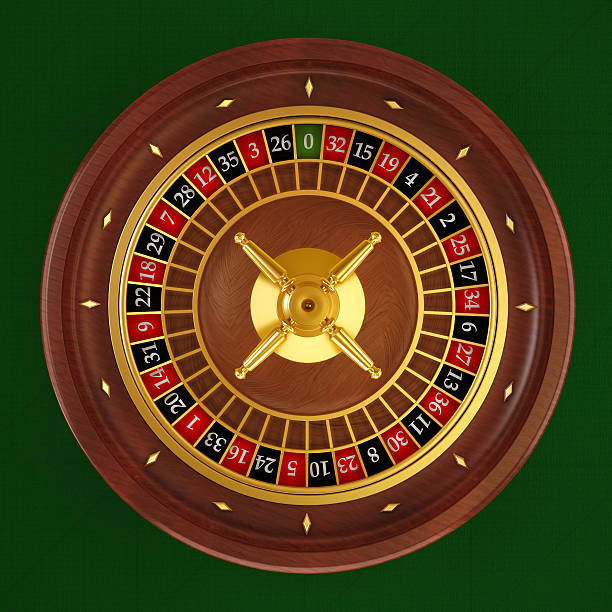
As societies advanced, so did the concept of casinos. By the 17th century, venues dedicated solely to gambling began to emerge in Europe, notably in Italy. These establishments served as social hubs, drawing in people from various walks of life. Today, casinos are not just places for gambling but have become cultural landmarks that reflect the identity and values of their communities.
Economic Impact of Casinos
The economic significance of casinos extends far beyond the games themselves. In many regions, they are vital sources of employment and revenue. By attracting tourists and generating business for local services, casinos contribute significantly to the economies of their host cities. This influx of visitors often leads to increased spending in hospitality, retail, and entertainment sectors, creating a ripple effect that benefits various businesses. Understanding casino etiquette can also enhance visitor experiences within these vibrant environments.
Moreover, the tax revenue generated by casinos can be substantial, enabling governments to invest in public services such as education, healthcare, and infrastructure. This economic role underscores that casinos are not merely gaming establishments but pivotal players in the broader economic landscape.
Casinos as Social and Cultural Spaces
Beyond their economic contributions, casinos serve as important social and cultural spaces. They often host events, concerts, and exhibitions that promote local culture and art. This multifaceted role allows casinos to transcend their primary function, becoming venues for community engagement and cultural exchange.
Additionally, the ambiance within casinos is meticulously designed to create an immersive experience that fosters social interaction. From opulent interiors to themed events, casinos encourage connections among diverse groups of people. This aspect highlights their role as modern gathering places where culture and entertainment converge.
Etiquette and Responsible Gambling
Understanding casino etiquette is crucial for ensuring a pleasant experience for all patrons. Respecting the rules of the house, being mindful of others at the gaming tables, and adhering to appropriate behavior can significantly enhance the atmosphere within the casino. Good etiquette not only reflects respect for the establishment but also for fellow gamblers, contributing to a positive gaming environment.
Moreover, the promotion of responsible gambling is an essential facet of modern casinos. Many establishments offer resources to help patrons gamble responsibly, emphasizing the importance of setting limits and recognizing the signs of problematic behavior. This focus on ethics and social responsibility is crucial, reinforcing the idea that casinos can contribute positively to society while providing entertainment.

Conclusion: The Role of Casinos in Modern Culture
In conclusion, the cultural significance of casinos transcends the mere games of chance they offer. They are historical institutions that contribute economically, serve as social spaces, and embody cultural values. Through their evolution, casinos have proven to be dynamic entities that reflect the changing tides of society.
Understanding this cultural significance enhances our appreciation of what casinos represent in contemporary life. They are not just places to gamble; they are vital components of the cultural and economic fabric, influencing communities in profound ways. Whether through their historical roots or their modern adaptations, casinos continue to play an important role in shaping our social landscape.