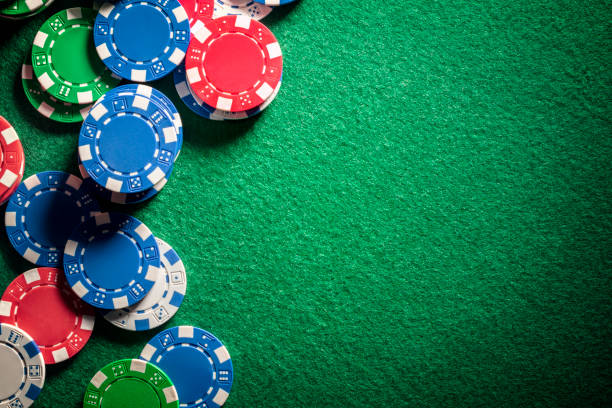
The Casino Advantage
Understanding the fundamental concept of the “house edge” is crucial for anyone engaging in casino games. The house edge represents the statistical advantage that the casino holds over players, and resources like https://fepodcast.co.uk/ can provide insights into this dynamic. Each game, whether it’s blackjack, roulette, or slots, is designed to ensure that, over time, the casino will profit. For instance, in games like roulette, the presence of a zero or double zero gives the house its edge, ensuring that players face a greater probability of losing compared to winning.
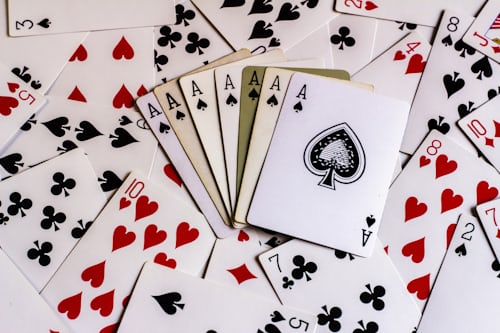
Every game in a casino is built with this house advantage in mind. This means that even with the best strategies, players may not consistently win in the long term. For example, while players can use advanced strategies in blackjack to reduce the house edge, they are still subject to the randomness and luck factors inherent in any game. It’s this balance of skill and random chance that creates the complex dynamics between the player and the house.
Moreover, it’s important to keep in mind that the house edge varies across different games and can be influenced by player decisions. Some games, like poker, involve more strategy and skill, allowing astute players to potentially overcome the house edge. However, most traditional casino games favor the house, making it challenging for players to gain the upper hand consistently. This brings into question whether strategies can effectively combat the house advantage or if winning is largely a matter of luck.
Strategies for Beating the House
While the house always has an inherent advantage, savvy players have developed strategies to improve their odds. One of the most popular methods is card counting in blackjack, where players keep track of the ratio of high to low cards left in the deck. This technique enables players to adjust their bets and playing strategies based on the likelihood of favorable cards coming up. However, it requires a significant amount of practice and concentration, and casinos often watch for such behavior closely, with strict policies in place to deter card counters.
Another strategy includes understanding game rules and variations that can reduce the house edge. For example, in video poker, certain games have better paytables that can provide players with a smaller edge. Players can also employ betting systems, such as the Martingale strategy, where they double their bet after every loss, intending to eventually recover their losses. However, these systems come with substantial risk, as they can lead to significant financial losses if players hit a long streak of bad luck.
Additionally, maintaining a strict budget and knowing when to walk away can also be considered a strategy. Responsible gambling practices dictate that players set limits on their spending and stick to those limits, avoiding the temptation to chase losses. This mindset can help players enjoy their time at the casino while minimizing their overall risks. Ultimately, while there are strategies that may yield better odds, no foolproof method exists to consistently beat the house.
The Role of Luck and Randomness
Luck is an undeniable factor in casino gaming, affecting outcomes in unpredictable ways. In games like slots, where results are determined by random number generators, players have no influence over the outcome. Each spin is entirely independent of the last, meaning that winning is purely a matter of chance. This randomness creates an exhilarating experience for many players, but it also emphasizes the fact that trying to predict outcomes is futile.
Even in games that involve skill, such as poker or blackjack, luck plays a crucial role in the short term. A player can make all the right decisions and still be outmatched by a single bad hand or an opponent’s lucky draw. This volatility is why many seasoned players emphasize the importance of a long-term perspective. While it’s possible to experience short-term success, the randomness of the games ensures that over time, the house will prevail in the majority of instances.
The blend of skill and luck forms the backbone of casino gaming. While strategies can help players make informed decisions, embracing the randomness of the games is essential. Understanding that the outcome can change abruptly helps players manage their expectations. This realization can lead to a more enjoyable experience, as players learn to appreciate the excitement of the game rather than focusing solely on winning or losing.
The Psychology of Gambling
The emotional aspect of gambling cannot be overlooked; it plays a significant role in how players approach the casino experience. Many individuals are drawn to the thrill of winning and the excitement of playing against the odds. This psychological element often leads to what is known as the “gambler’s fallacy,” where players believe that past outcomes influence future results. For instance, a player may think that because a specific number hasn’t appeared in a while, it’s due to come up soon, which is not how probability works.
Furthermore, the ambiance of a casino is designed to enhance this psychological play. From the sounds of winning machines to the alluring lights, every detail contributes to an environment that encourages players to stay longer and spend more. This sensory experience can lead to an altered state of decision-making, where players might overlook their budgets and make riskier bets. Understanding these psychological triggers can empower players to approach gambling more responsibly.
Awareness of these psychological influences can also help players recognize when they are falling into traps that lead to unwise choices. Developing a mindful approach to gambling can significantly reduce the potential for negative experiences. By acknowledging the emotional highs and lows of gaming, players can better manage their behavior and enjoy their casino experience without falling victim to the pitfalls of compulsive gambling.
Your Path to Responsible Gambling
When engaging in casino games, one’s approach should prioritize responsible gambling practices. This involves setting clear limits on how much one is willing to spend or lose and sticking to those limits regardless of the game’s outcome. Such a mindset helps players protect their finances and ensures that the experience remains enjoyable rather than detrimental. Creating a budget before visiting a casino is essential in maintaining control over one’s gambling activities.
Education about the games being played can also enhance responsible gambling. By understanding the rules, strategies, and house edges associated with different games, players can make informed decisions rather than relying solely on impulse. Many casinos offer resources and tools for players to educate themselves, including tutorials and guides for new games. Taking the time to learn about the games can lead to a more fulfilling and potentially profitable experience.
Ultimately, enjoying casino games should be about entertainment rather than merely a means to make money. Embracing a mindset focused on fun and moderation can lead to a healthier relationship with gambling. Recognizing the inherent risks and understanding the balance between skill and luck can ensure a more positive experience, transforming the casino visit into a source of enjoyment rather than stress.